CoAutoResearch
An autonomous research partner that self-improves recursively and works with you.
CoAutoResearch is an open-source research system for autonomous investigation, recursive self-improvement, and human–AI collaboration. Run experiments, refine research methods through evidence and feedback, and build paper drafts from a traceable research record.
Supported coding agents: ✓ Codex CLI · ✓ Claude Code
Start here
You want to… |
Start with |
|---|---|
Set up the system using your coding agent |
|
Understand the first research session |
|
Read product-generated research drafts |
|
Turn recorded findings into a PDF |
|
Inspect or extend the system |
Setup reuses your Codex or Claude Code login and checks dashboard and paper-tool readiness separately. Creating a project does not start research: send your brief, review the direction, and choose Start autoresearch when ready.
Features
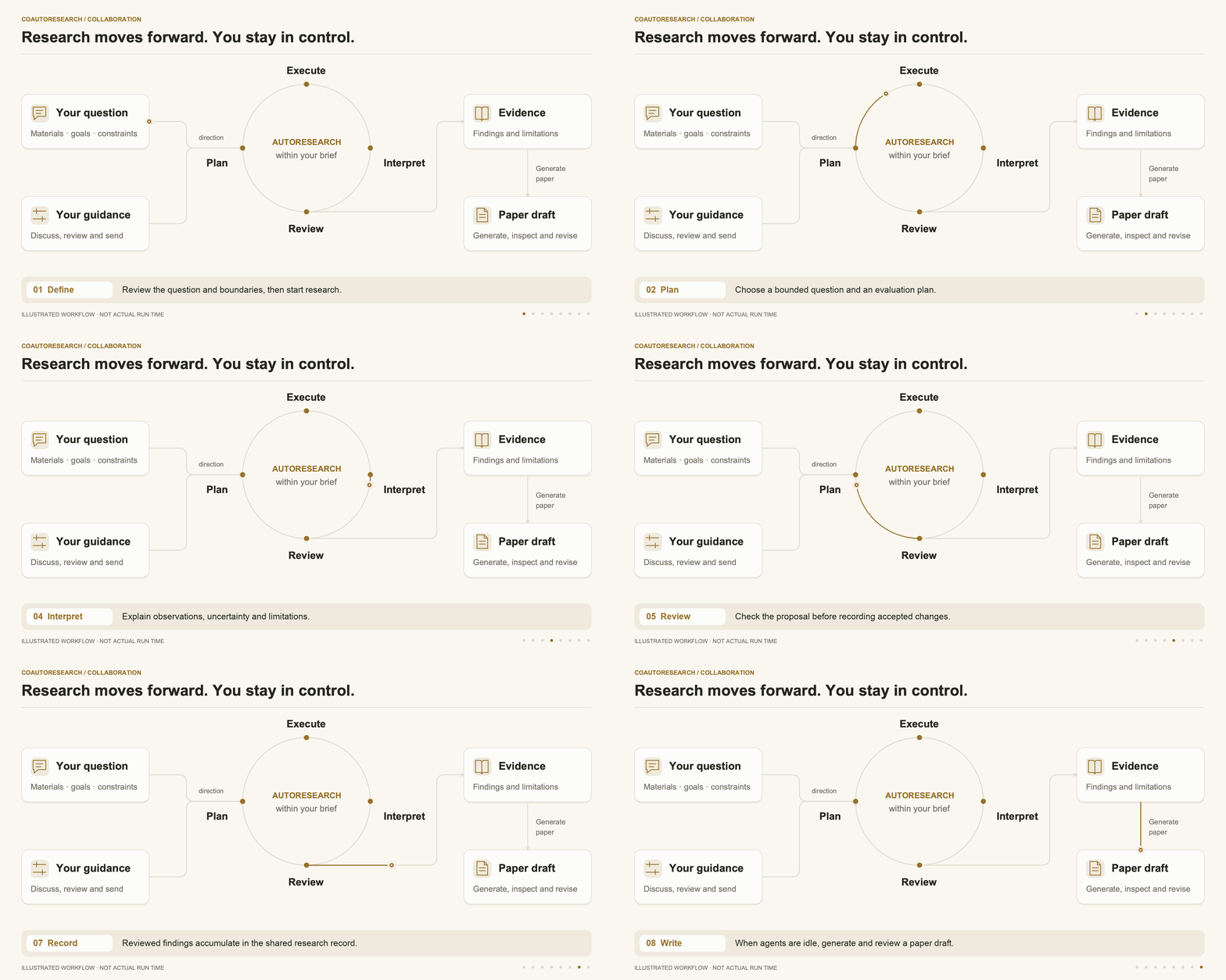
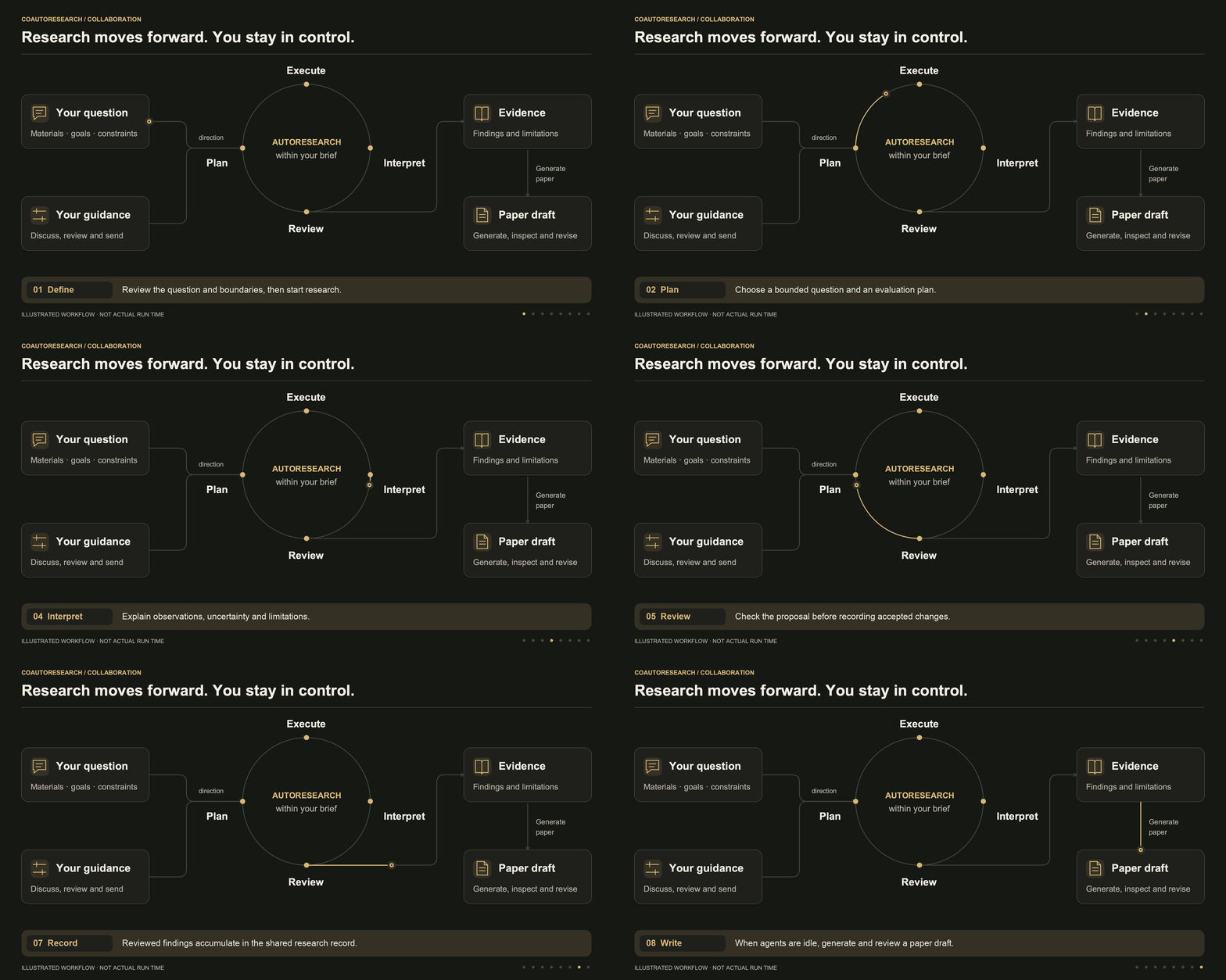
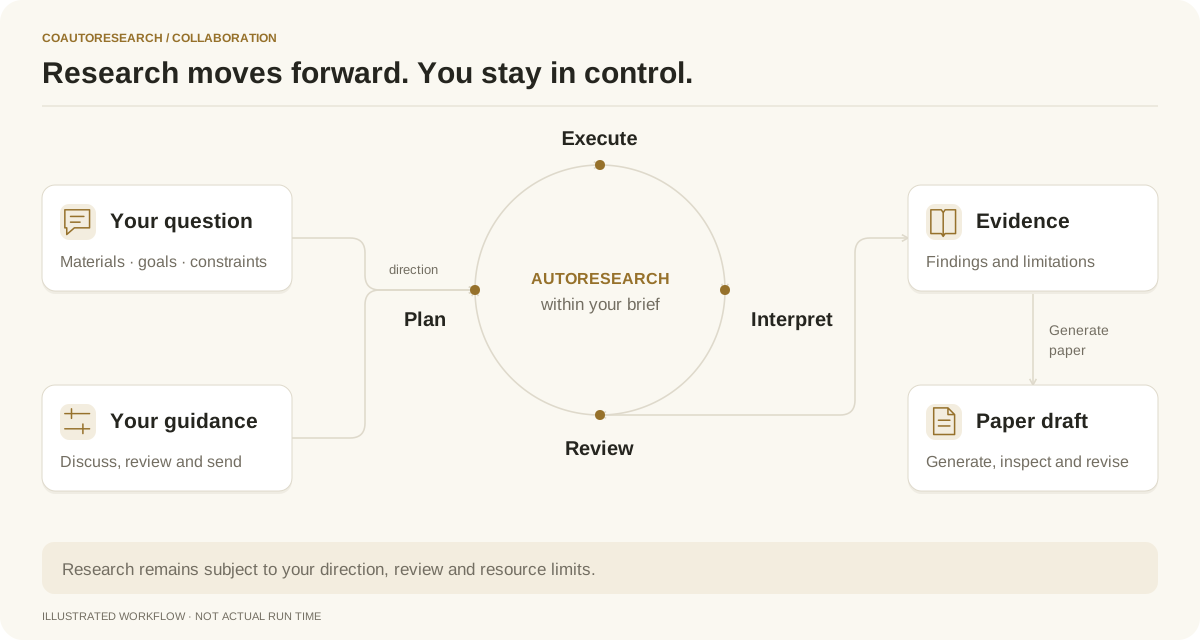
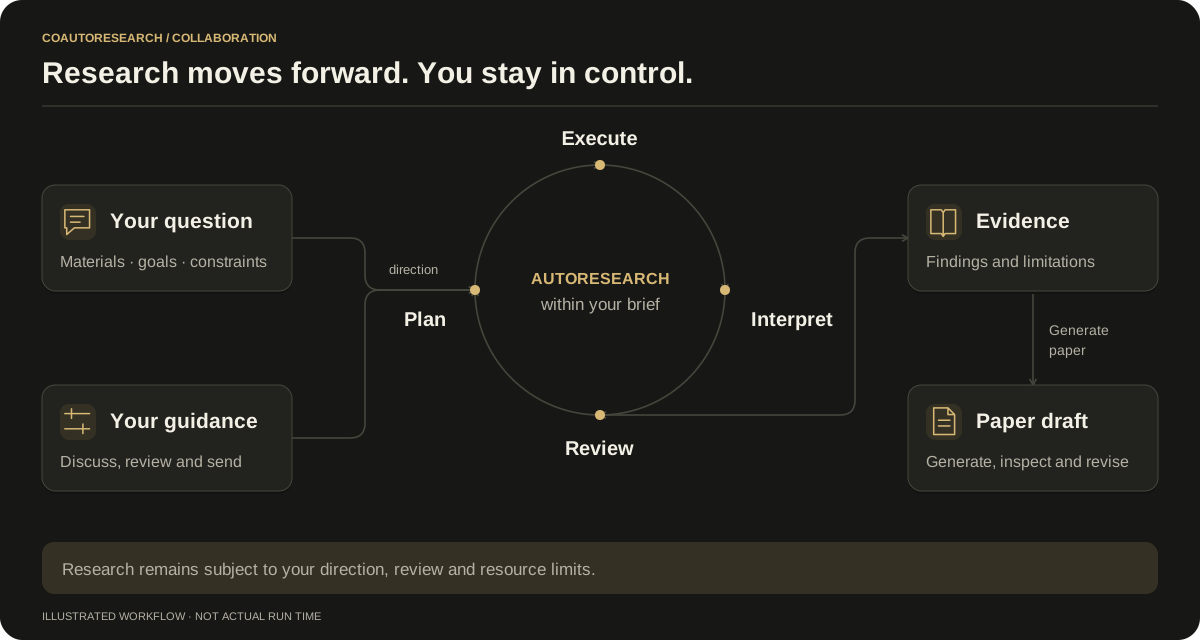
Illustrated workflow; timing is schematic. The static diagram is shown when reduced motion is enabled and when printing. Open static diagram.
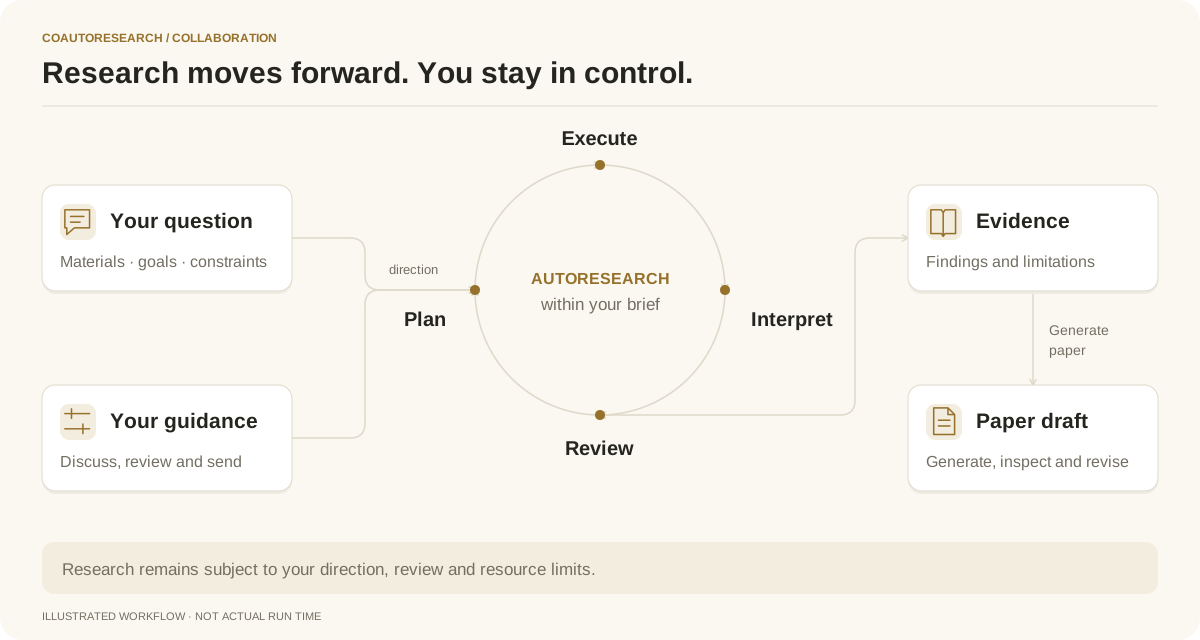
Discuss and guide. Discuss a finding while the agent works. Prepare a suggestion, review it, and send it into the research session.
Recursive self-improvement. Recorded results, review feedback and reusable lessons shape the next trial. The agent revises hypotheses, methods and research decisions within your direction and budget. How the improvement loop works.
Trace findings to evidence. Follow the question, results, limitations and remaining decisions through a shared research record and into a manuscript.
Example papers
Read the Digits and Ising papers: small-sample statistical learning and computational statistical physics. Each PDF was generated through the dashboard from recorded project evidence. These developer-operated runs include human intervention; their scientific limitations remain in the papers.
Get started
Using the system
Technical reference